
A Veteran’s Fight for Her Daughter’s Future
Tonya Johnston served in the military to build a better future for her family. When her daughter Joy began struggling in public school, Tonya felt like she was out of options — until a conversation across the fence introduced her to a life-changing opportunity.
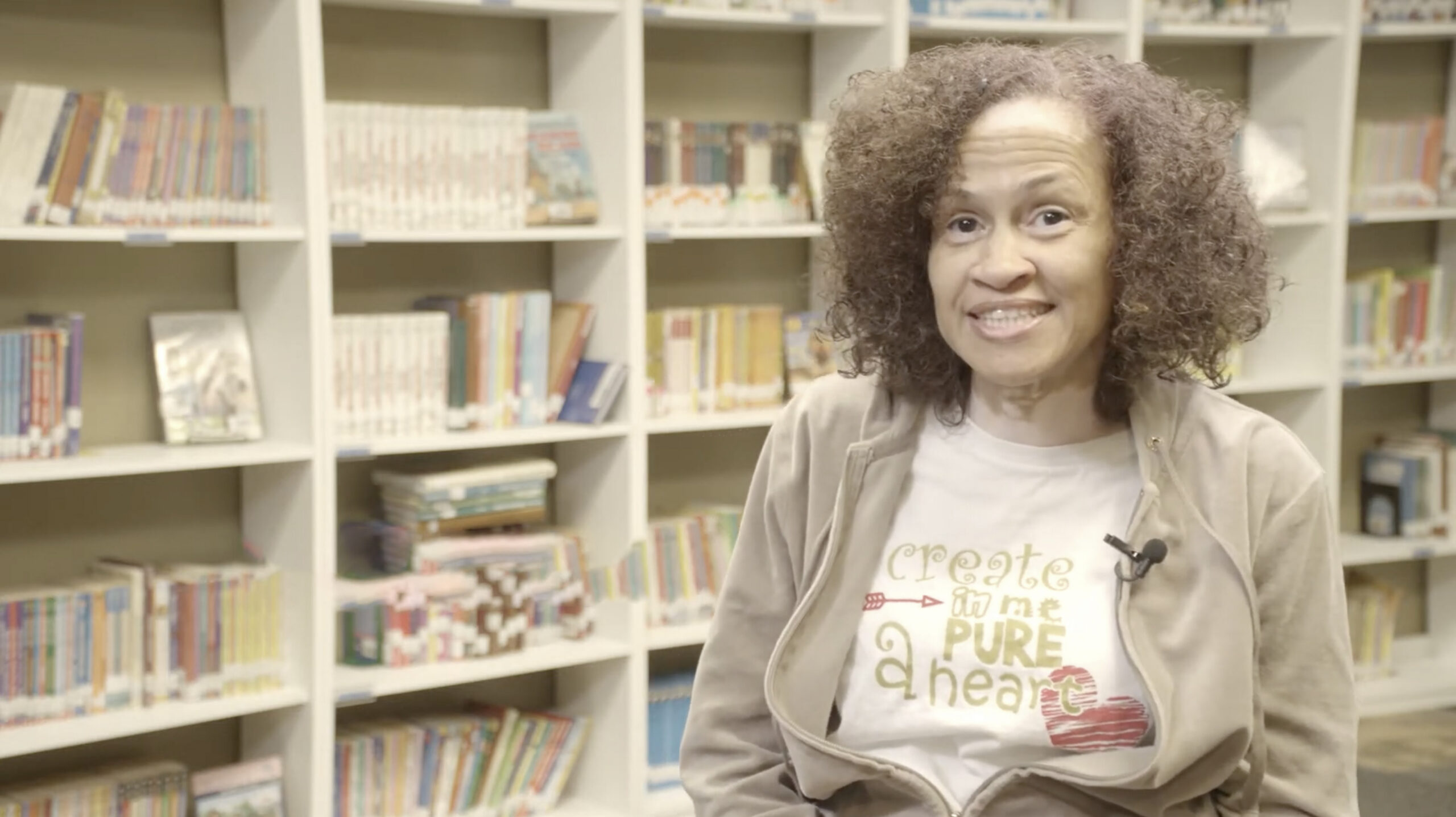

Tonya Johnston had a plan. She joined the military with a specific goal in mind: earn her education, get her business degree, and build something lasting for herself and her family. Discipline. Vision. Follow-through. These aren’t just words for Tonya — they’re the values that shaped her service and, later, her approach to raising her daughter Joy.
So when Joy’s grades started slipping in public school — when the chaos of an environment that wasn’t working began to dim the light in her daughter — Tonya didn’t shrug. She prayed. And then she looked for a way out.
The answer came from a neighbor.
A Military Mom Who Knows the Value of Education
For Tonya, education has always been the point. She enlisted in the military precisely because she saw it as a path toward something — a business degree, a career, a foundation. Her service wasn’t just a job. It was an investment in her own future, made through the currency of discipline and sacrifice.
Her time working in the public school system later deepened that conviction. Seeing the inside of how children are educated — and where the system falls short — made her even more committed to getting Joy’s education right.
“It just made it even more important,” she says.
When Joy’s public school stopped meeting her needs — when the grades declined and the unhappiness set in — Tonya recognized the signs. She had seen this pattern before, from the other side of the desk.
The School Wasn’t Working. But Tonya Didn’t Know There Was Another Option.
This is the moment that plays out in households across North Carolina — and across the country — more than most people realize. A parent watches their child struggle. They see the grades. They feel the unhappiness radiating out of their kid at the end of every school day. And they want to do something about it.
But wanting isn’t the same as knowing how. For many families, the assumption is that private school is simply not an option — too expensive, too inaccessible, too far outside the realm of what’s possible on a working family’s budget.
Tonya felt that weight. “I was like, Lord, I wish there was a way I could help her,” she recalls.
She didn’t know yet that the way already existed.
A Conversation Over the Fence
One day, Tonya was talking with her neighbor. The neighbor mentioned that her children were going to Trinity — a private school.
Tonya was surprised. She knew Trinity was private. She assumed it was out of reach. But her neighbor explained: the Opportunity Scholarship Program had made it possible.
Tonya didn’t hesitate. She went home and started researching. She found the information she needed and reached out to begin the application process.
What she encountered on the other end changed the trajectory of her search. The person she connected with was enthusiastic, encouraging, and full of information. That energy — the sense that someone on the other side of the process genuinely wanted to help — made Tonya want to keep going.
“With her enthusiasm, being encouraging like that, it just made me want to go through this process,” Tonya says.
Get notified when the Education Freedom Tax Credit launches so you don’t miss the opportunity to support K–12 students while benefiting from a federal tax credit.
Joy Gets In — and Starts Thriving
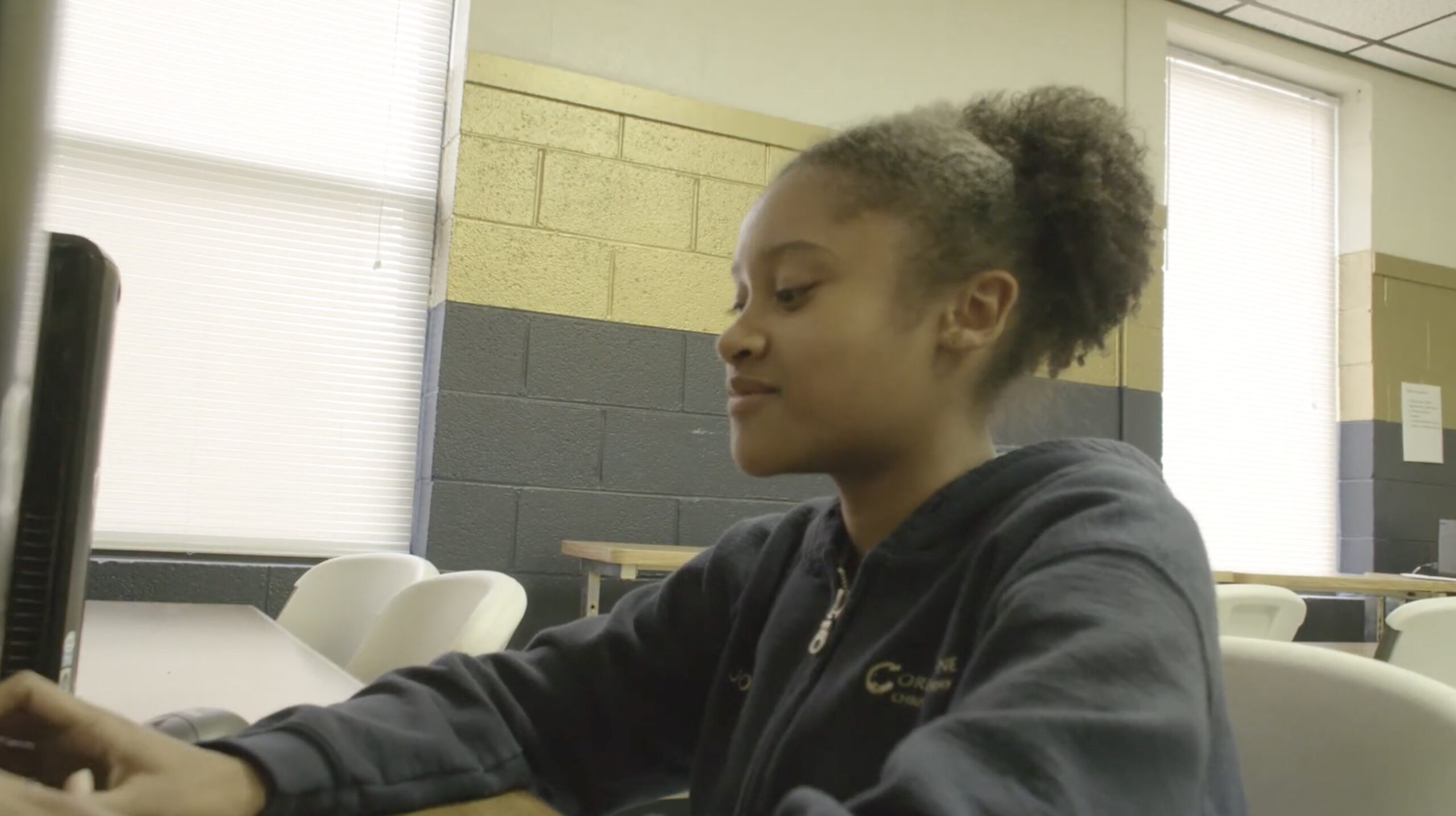
Joy was awarded the Opportunity Scholarship and began attending Cornerstone Christian Academy. The transition was not just logistical. It was transformational.
The chaos was gone. The unhappiness was gone. In its place: a school environment where Joy felt safe, supported, and able to grow.
“She’s in an environment that I feel her to be safe in,” Tonya says. “She has grown so much here. She couldn’t be in a better school. It has been a godsend.”
“She’s in an environment that I feel her to be safe in. She has grown so much here. She couldn’t be in a better school. It has been a godsend.”
For Tonya, the relief is personal. As a mother and a veteran, she carries a strong sense of responsibility for the outcomes of those in her care. Watching Joy flourish isn’t just good news — it’s a weight lifted.
“It took a lot of the load off of me,” she says simply.
What Tonya’s Story Reveals About How School Choice Actually Spreads
Tonya didn’t learn about the Opportunity Scholarship from an ad or a mailer. She learned about it from a neighbor. That’s not unusual — it’s actually one of the most common ways families discover scholarship programs. Word of mouth, neighbor to neighbor, parent to parent.
Which means that for every Tonya who found out in time, there are others who haven’t had that conversation yet. Parents who are watching their children struggle right now, assuming they have no options, because no one has told them otherwise.
Tonya knows this. It’s why she doesn’t keep the experience to herself.
“Some other parents, I’m sure, would love to have their child in something like that. They should do everything they’re told to do and believe.”
North Carolina Is Leading — But Families Everywhere Need This
North Carolina’s Opportunity Scholarship Program is one of the fastest-growing in the country — and demand continues to outpace supply. Families like Tonya’s represent exactly why: a parent with a specific need, a child in the wrong environment, and a scholarship that made the right one accessible.
But North Carolina is one state. Joy’s story is not unique to one state.
The Education Freedom Tax Credit, launching in 2027, is the mechanism designed to extend stories like Joy’s to every corner of the country. Eligible donors can receive a dollar-for-dollar federal tax credit of up to $1,700 when they contribute to a qualifying Scholarship Granting Organization (SGO). Any contribution above $1,700 is treated as a standard 501(c)(3) charitable deduction. There is no cap on total giving.
That means a donor’s gift doesn’t just change one child’s school. It feeds the national network that makes it possible for the next Tonya to get that phone call — or in this case, that conversation over the fence — and have somewhere to go.
Joy attends Cornerstone Christian Academy, in an environment her mother describes as safe, nurturing, and a perfect fit. That’s the outcome. But behind it is a structure — a scholarship program, a state policy, a network of donors — that made the outcome possible.
The Education Freedom Tax Credit is how we build that structure for every state.
Disclaimer: This article is for informational and educational purposes only and does not constitute tax, legal, or financial advice. Tax laws are subject to change. Please consult a qualified tax professional regarding your individual circumstances. The Education Freedom Tax Credit is effective January 1, 2027. Contribution limits and program details are subject to IRS guidance and final program rules.