Stay informed with our latest articles, news, and scholarship stories.





Confused about what counts as household income for EFTC scholarship eligibility? Learn which income sources are included, which are excluded, and how to calculate gross household income correctly to determine if your family qualifies for Education Freedom Tax Credit scholarships.

When Makensie moved into a smaller classroom setting at Pope John Paul II Catholic High School, everything shifted. With closer to 20 students per class, teachers had time to answer questions, offer guidance, and build real relationships.
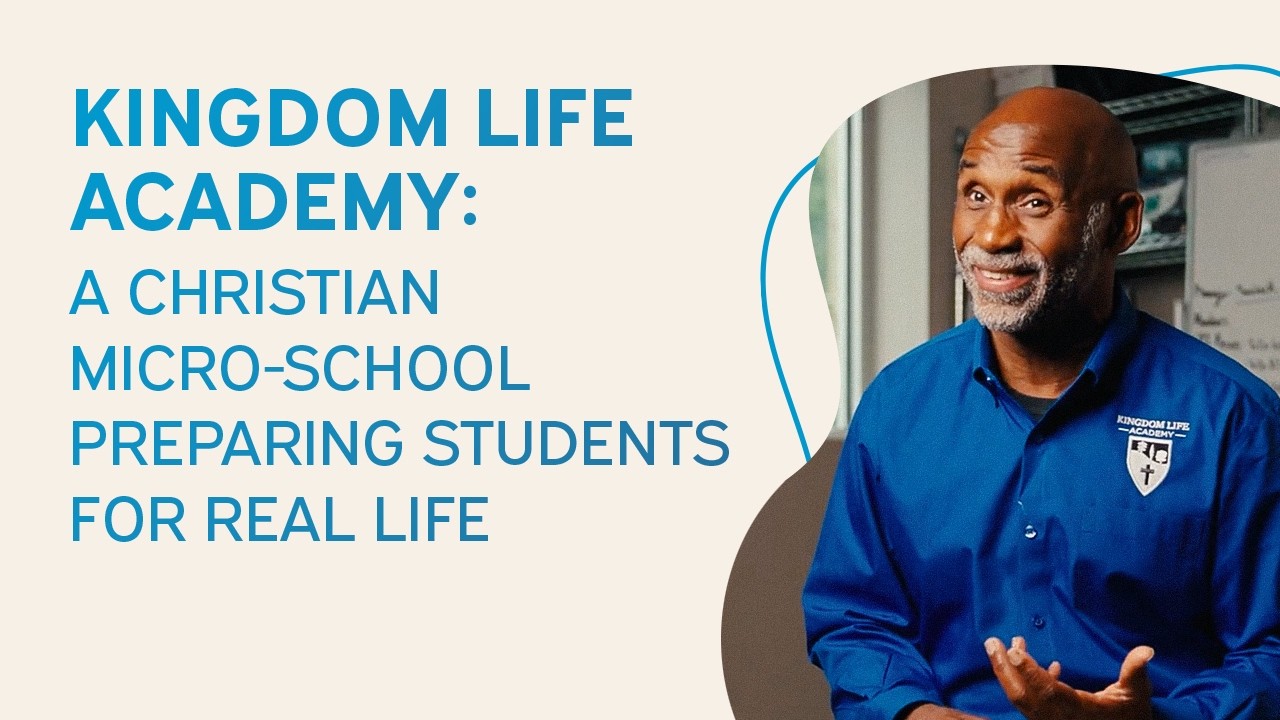
Kingdom Life Academy, a Christian micro-school in Texas, prepares low-income students for real life through hands-on learning and workforce readiness. Schools like KLA reflect the type of opportunity the Education Freedom Tax Credit and AFC Scholarship Fund aim to expand nationwide.
Tax credits and tax deductions aren’t the same. Learn the key differences, how each affects your tax bill, and why the Education Freedom Tax Credit matters.

The Education Freedom Tax Credit allows taxpayers to receive a dollar-for-dollar federal tax credit—up to $1,700 per taxpayer—when they donate to a qualified scholarship granting organization (SGO). Those donations are then used to provide private K–12 scholarships to families, helping students access the education that’s right for them.
For most people, the answer feels inevitable. Taxes go in; government programs come out, and individual taxpayers rarely get a say where their dollars actually land.
But a new federal policy—the Education Freedom Tax Credit (EFTC)—challenges that assumption in a subtle but powerful way. It doesn’t ask Americans to give more. It asks them to choose differently.